Blog
Which food is the right one?
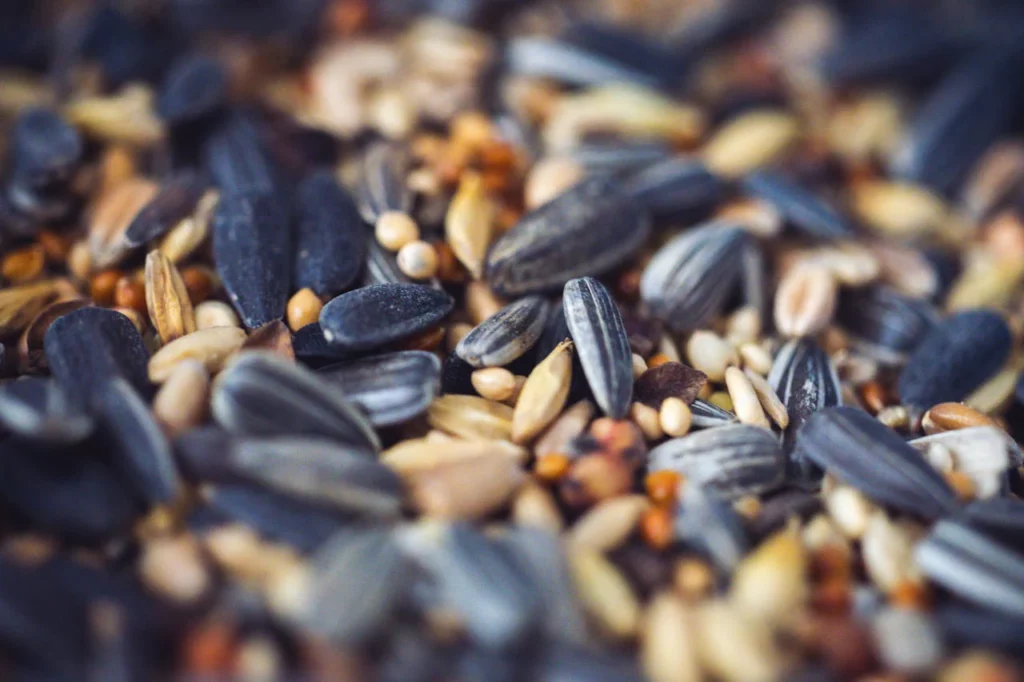
When choosing bird food, the more variety the better. Conventional commercial feed mixes often contain a base of sunflower seeds and various cereal seeds. However, not every mixture is equally suitable for all birds. Here is an overview of common types of feed and their properties:
- Sunflower seeds: The number 1 basic food for many birds. Whether shelled or unshelled, sunflower seeds are rich in energy and extremely popular with granivores such as sparrows, finches and tits. They can be fed all year round and are often the main ingredient in seed mixtures. Hulled kernels leave less shell waste under the feeder, while unpeeled kernels are less expensive and provide an activity when crunching.
- Small seeds: Millet, linseed, hemp seed, poppy seed, niger seed etc. supplement the food supply, especially for smaller finch species. Sparrows and finches like sunflower seeds as well as hemp or poppy seeds, for example. Goldfinches (goldfinches) love niger and thistle seeds. A varied seed mix ensures that even the pickiest seed eaters get their money’s worth. Tip: Oily seeds such as hemp or linseed provide extra energy thanks to their high fat content.
- Peanuts and nuts: Unsalted, shelled peanuts, chopped walnuts or hazelnuts are tasty treats for tits, woodpeckers, nuthatches and also finches. They contain a lot of fat and protein. Important: Only offer untreated, unseasoned nuts. Crushed peanuts (chopped peanuts) are better than whole nuts so that smaller birds can eat them. Pay attention to quality – never put moldy or salty nuts in the bird feeder.
- Fat food: Fat food refers to seed mixtures enriched with fat (e.g. beef or shank tallow). Classic examples are tit dumplings, fat blocks or rings. They usually consist of a mixture of seeds in fat, often with pieces of peanuts or oat flakes. Tits are crazy about them, but woodpeckers, nuthatches, sparrows and even soft feeders such as robins also like to nibble on them – especially crumbled pieces on the ground. Fat food is particularly important in winter as it provides the birds with a lot of energy. Special energy blocks with berries or insects are also available in stores to attract soft feeders. Note: In mild weather and in summer, fatty feed should only be used sparinglyas it can spoil and protein-rich food (insects) is more important at this time.
- Fruit, berries and raisins: Soft fruits are the favorite food for blackbirds, thrushes, robins and other soft feeders. Especially in winter, they enjoy pieces of apple, berries (e.g. dried rowan berries) or raisins. It is best to lay fruit out on the ground or on a plate where blackbirds & co. can peck comfortably. Tip: Halved apples in the snow are a blackbird magnet! In summer, berry bushes in the garden (currants, elderberries) can also provide natural food sources.
- Oat flakes, bran and cereal flakes: These soft plant foods are ideal for soft feeders such as robins, wrens and dunnocks. Oat flakes (preferably mixed with a little oil to prevent them from swelling) provide carbohydrates and are eaten by many species. Bran or fine cereal flakes can also be mixed in. But be careful: such soft feed materials should remain dry – they spoil quickly when wet. You should therefore offer them under cover or in protected ground feeders.
- Animal protein (insects): Insectivores such as robins, wrens, tits (for rearing their young) and starlings also appreciate some animal food at the feeding place. Dried mealworms, shrimps or insect larvae can be added in small quantities. This provides protein, which is particularly important in spring during breeding. Live mealworms as food are a special treat – robins and blackbirds, for example, love to snatch them up. In winter, fat food partially replaces the missing insects.
Not everything is allowed: Avoid leftovers, salty or spicy food! Bread, salty food, cookies etc. do not belong in bird food. Such foods swell up in the bird’s stomach or contain salt and spices that are harmful to birds. Dairy products such as milk or soft cheese are also not good for birds. Unseasoned, natural ingredients are more suitable – the food should correspond to the natural diet of wild birds. With high-quality, species-appropriate ingredients at your feeding station, you can ensure that your feathered visitors stay healthy.
Now that we know what types of food are available, the next step is to look specifically at which bird species prefers which food. The following overview table will help you to provide the right food for common garden birds in Germany.